

Ever wake up feeling stiff or sore and wonder if your mattress is to blame? You’re not alone. Many of us in Fort Worth keep the same mattress for years without thinking about whether it’s still supporting us. Your mattress matters for sleep, comfort, and your health.

Most people do not realize that mattresses wear out over time. They begin to sag, collect dust and allergens, and can even affect your back and joints. That is why knowing the right time for mattress replacement in Fort Worth is so important.
In this guide, we’ll make it simple. We’ll cover:
- How long different types of mattresses usually last
- Signs your mattress is past its prime
- Tips to get more life out of your current mattress
- Local Fort Worth advice for buying a mattress you’ll actually love
By the end, you’ll know when it’s time to shop for a new mattress and how to make the process stress-free.
1. Why Mattress Lifespan Matters for Your Health
Let’s face it. A mattress isn’t just something you sleep on. It affects how your body feels every morning. Ever wake up with a stiff neck or sore back? That could be your mattress letting you down.
Your spine needs support. If a mattress sags or feels uneven, your body isn’t aligned. That can lead to aches, headaches, or restless nights. Over time, it can even affect your overall health.
Allergens and dust mites are another hidden issue. Even a clean-looking mattress can harbor years of sweat, oils, and dust. These can make allergies or asthma worse. Fort Worth’s hot summers can make this problem worse if your mattress isn’t well-ventilated.
Here’s a simple tip: check your mattress yearly. Press your hands in a few spots and see how it rebounds. If it doesn’t bounce back quickly, that’s a sign it’s wearing down.
Ready for better sleep? Next, we’ll look at how long different mattress types usually last.
2. How Long Do Different Mattresses Really Last?
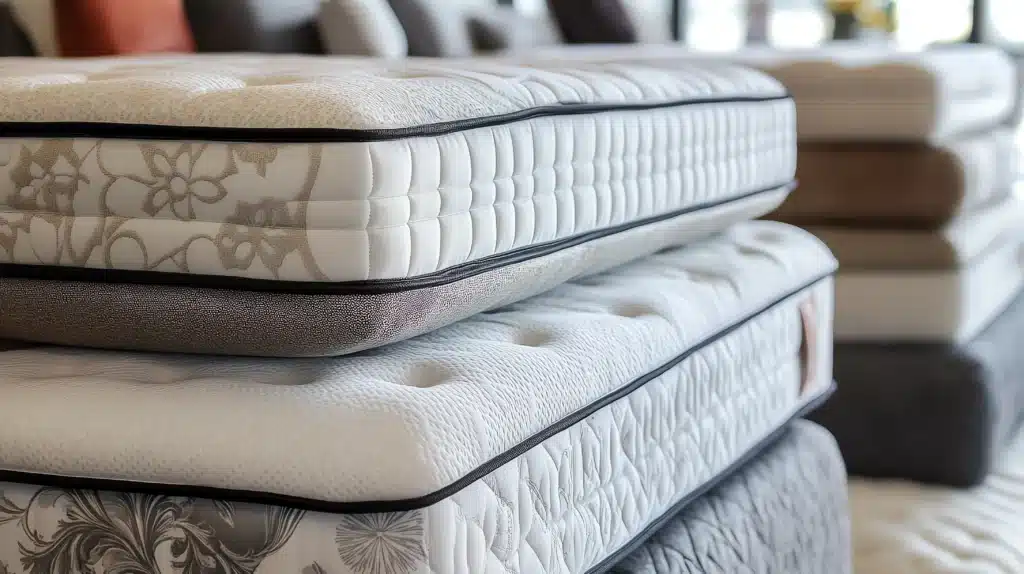
Not all mattresses are the same. Lifespan depends on the materials and how well you take care of them.
Innerspring
- Lifespan: 5–8 years
- Coils loosen over time. You may notice sagging or creaking.
Memory foam
- Lifespan: 8–10 years (high-density foam can last a bit longer)
- Softens and compresses with use.
Hybrid
- Lifespan: 7–10 years
- Combines foam and coils. Gives good support but can sag if used heavily.
Latex / premium mattresses
- Lifespan: 10–15 years
- Very durable and supportive. Some last well over a decade.
Tip for couples: If you share a bed, consider mattresses with dual comfort zones. That keeps each side firmer for longer.
Curious to test them out in person? Visit Haltom Mattress Factory to feel the difference. A friendly sales team can help you find what works best.
3. When Mattress Replacement in Fort Worth Makes Sense
Even if your mattress is only a few years old, it may need replacing. Here’s what to look for:
Physical signs:
- Sagging or dips
- Lumps or uneven areas
- Springs sticking out or creaking
Sleep and health clues:
- Waking up stiff or sore
- Feeling tired even after a full night’s sleep
- Allergies worse at night
Age check:
- Most mattresses last 7–10 years, but check sooner if you notice any of the signs above.
Ever wonder if it’s just your imagination? Try sleeping somewhere else for a night. If you feel better, your mattress is probably the culprit.
Need a second opinion? Stop by Haltom Mattress Factory. Our team can look at your mattress and give honest advice.
4. How to Make Your Mattress Last Longer
Don’t want to replace your mattress yet? There are a few things you can do to stretch its life:
Rotate regularly
- Rotate your mattress every 3–6 months.
- Helps wear evenly, especially memory foam or hybrid beds.
Use a mattress protector
- Protects from sweat, spills, and dust mites.
- Easy to wash, keeps your mattress cleaner longer.
Support your mattress properly
- Make sure your foundation or bed frame is solid.
- A weak base can ruin your mattress faster.
Fort Worth tip: Hot, humid summers can trap moisture inside your mattress. Using breathable covers and keeping the bedroom ventilated helps prevent early breakdown.
Want advice on protecting your mattress? Our team at Haltom Mattress Factory has local tips and products that really work.
5. Fort Worth Mattress Buying Guide
Ready for a new mattress? Here’s how to make shopping simple:
Shop in person
- Lie down for a few minutes on different mattresses
- Feel how each one supports your back and hips
Ask questions
- How long will this mattress last?
- What materials are used?
- What’s the warranty?
Check the warranty
- Many mattresses have 10+ year warranties.
- A good warranty gives peace of mind, but comfort matters most.
Here’s what we do: At Haltom Mattress Factory, we spend time understanding your sleep habits. We help you pick a mattress that fits your body and your budget. No rushing, no pressure.
Stop by and see for yourself.
Quick Takeaways
- Most mattresses should be replaced every 7–10 years
- Sagging, lumps, stiffness, and allergies are signs it’s time for a new one
- Mattress type affects lifespan: latex lasts longest, innerspring shortest
- Use rotation and protectors to extend life
- In‑store testing is the best way to pick the right mattress
- Fort Worth humidity can affect mattresses — ventilate your room
Conclusion
Let’s make it simple. Your mattress affects your health and comfort. Don’t wait until you’re sore or tired every morning. Check for sagging, discomfort, or allergy issues.
Replacement isn’t just about age. A well-cared-for mattress can last longer, and a worn-out one can cause problems sooner. In Fort Worth, visiting a friendly, knowledgeable store like Haltom Mattress Factory makes choosing a mattress easier. You can feel it, test it, and talk through your options.
Good sleep is worth the effort. Don’t settle for a mattress that leaves you stiff or tired. When it’s time, upgrade wisely and sleep better tonight.
FAQs
Q1: How often should I replace a mattress if I sweat at night?
A: Check sooner — usually around 7 years — because moisture can break down foam and support faster.
Q2: Can a mattress topper make my old bed feel new?
A: It can improve comfort short-term but won’t fix sagging or worn support.
Q3: Does my weight affect how quickly a mattress wears out?
A: Yes. Heavier sleepers may notice sagging sooner. Rotating helps.
Q4: Should I replace a mattress that still looks okay?
A: Look at comfort, support, and sleep quality. Age alone isn’t the only factor.
Q5: Are warranties a good guide for lifespan?
A: They show manufacturer confidence, but how the mattress feels is most important.